Pinkheart: A Hand-Lettered Display Font for Crafters
When you spend hours designing a product by hand, the font you choose can make or break the final look. I have tested my share of display fonts, and Pinkheart immediately caught my attention for its warm, hand-lettered feel and festive energy. This is not just another pretty typeface — it is a tool that helps handmade sellers, printable creators, and small shop owners elevate their work with genuine charm. Whether you are labeling candles, designing wedding invitations, or creating digital downloads, Pinkheart brings a personal, crafted touch that customers notice and remember.
What Pinkheart Brings to Your Craft Projects
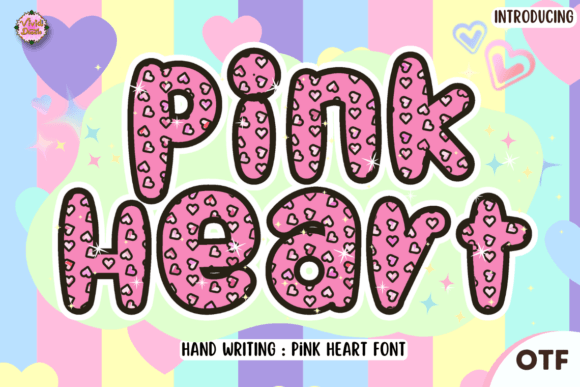
Pinkheart is a display font with a hand-lettered personality that feels both cheerful and refined. The letters have a natural flow, with slight variations in stroke weight and curves that mimic real hand lettering. This gives your projects an authentic, artisan look without requiring you to pick up a pen yourself. The festive undertone makes it especially fitting for seasonal designs, holiday packaging, and celebratory stationery, but its versatility goes far beyond Christmas and New Year themes.
Because Pinkheart is categorized as a Display font, it shines in situations where you want the text to be the focal point. Think short phrases, single words, names, titles, or decorative headings. It is not designed for long paragraphs, but that is exactly what makes it so valuable for product labels, signs, and branding elements. The readability remains strong even when the letters are slightly playful, so your customers will not struggle to read your product names or taglines.
Practical Ways to Use Pinkheart in Your Products
As a fellow maker, I know that a font needs to work across many different materials and formats. Here are some realistic ways Pinkheart can become a staple in your craft business:
- Candle labels and product tags — The hand-lettered look adds a boutique feel to small-batch items. Pinkheart works beautifully for scent names or brand names on adhesive labels, hang tags, and kraft paper stickers.
- Greeting cards and invitations — Birthday invites, holiday cards, and thank-you notes gain a warm, personal touch. Use it for the main greeting or the recipient's name, then pair with a simpler font for body text.
- Wedding stationery — Save-the-dates, ceremony programs, and place cards feel more intimate with a hand-lettered display font. Pinkheart is especially effective for the couple's names or the event date.
- Farmhouse signs and home decor — Whether you are making wooden signs, canvas prints, or vinyl decals, the font's rustic charm fits farmhouse, cottage, and modern rustic aesthetics.
- Printable wall art — Quotes, single words, and minimalist designs look polished and professional. Pinkheart gives each piece a custom-lettered look that buyers appreciate.
- Boutique clothing and accessories — Tote bags, t-shirts, and mugs with short phrases or monograms stand out with this font's personality. The legibility holds up well on fabric and curved surfaces.
- Holiday packaging — Gift tags, wrapping paper inserts, and box labels become part of the gift itself. The festive cheer in Pinkheart makes seasonal products feel even more special.
I have used Pinkheart for a set of soy candle labels and received comments from customers about how the font made the products feel handcrafted and premium. That kind of feedback is exactly why I invest time in selecting the right typeface for each project.
How Pinkheart Affects Product Presentation and Brand Recognition
Your font choice directly influences how customers perceive your brand. A generic, overused font can make even a high-quality product look ordinary. Pinkheart, on the other hand, communicates care, creativity, and attention to detail. When used consistently across your product line, it helps build a recognizable brand identity. Buyers start to associate that hand-lettered style with your shop, which encourages repeat purchases and word-of-mouth referrals.
The emotional appeal of Pinkheart is also worth noting. The slightly playful yet elegant letterforms evoke feelings of warmth, celebration, and authenticity. This is particularly valuable for products that are given as gifts or used for special occasions. A font that conveys genuine emotion helps your customers feel more connected to what they are buying, which translates into higher perceived value and willingness to pay.
Readability and Performance in Production
One concern I always have with display fonts is how they will perform when scaled down for small labels or cut with a machine. Pinkheart holds up well in these scenarios. The letterforms are clear enough that a 1-inch sticker or a small tag remains readable. The strokes are not overly thin, so they cut cleanly on Cricut and Silhouette machines without tearing or losing detail. For printed products, the font prints crisply at reasonable sizes, and the hand-lettered variations add character rather than confusion.
If you are using Pinkheart for very small text, such as ingredient lists or fine print, it is better to pair it with a simple sans serif font for those details. But for names, titles, and short phrases, you can confidently use Pinkheart at sizes as small as 12 to 14 points and still maintain readability. Always test a sample on your specific material before committing to a large production run, especially with cutting machines or textured paper.
Pairing Pinkheart with Other Fonts
To get the most out of Pinkheart, consider pairing it with a clean, neutral font that balances its decorative nature. A simple sans serif font like Montserrat, Open Sans, or Lato works well for body text, prices, or secondary information. This contrast keeps your design looking professional and easy to read. If you prefer a more classic look, a straightforward serif font like Playfair Display or Merriweather can complement Pinkheart's hand-lettered style without competing for attention.
For branding projects, you might use Pinkheart for the main logo or product name and a lighter sans serif for the tagline or website. This creates a clear hierarchy that guides the customer's eye. I have also seen successful pairings where Pinkheart is used for a single word on a tote bag, with no other text — the font is strong enough to carry the design alone. Avoid pairing Pinkheart with another overly decorative or script font, as the result can feel cluttered and hard to read.
File Formats, Styles, and What to Check Before You Buy
When adding Pinkheart to your font library, look for the included file formats and special features. Most premium font packages include OTF and TTF files, which work across Windows, Mac, and design software like Adobe Illustrator, Photoshop, Canva, and Cricut Design Space. If you plan to use the font for cutting machines, make sure it is compatible with your software. Many hand-lettered fonts also include alternate characters, ligatures, or swashes that let you customize the look and avoid repeating the same letterforms. This is especially useful for monograms, logos, and personalized products.
Check the font's language support if you serve a multilingual audience. Some display fonts only cover basic Latin characters, while others include accented letters and extended glyphs. Knowing this upfront saves time and frustration later. Pinksheart's description highlights its festive, hand-lettered design, so I recommend verifying that it includes the specific characters you need for your product names or customer personalization options.
Commercial Licensing and Your Craft Business
This is one of the most important considerations for any seller. Using a font for personal projects is one thing, but when you sell physical products, digital downloads, templates, or merchandise that includes the font, you need a commercial license. Pinkheart, like many premium fonts, likely offers a standard license that covers most handmade and small business uses. Always read the license terms carefully before purchasing. Some licenses restrict the number of products you can sell, limit the types of merchandise, or require an extended license for certain uses like embroidery files or mass production.
If you plan to sell digital products such as printable invitations, editable templates, or SVG designs, confirm that the license allows for embedding the font in those files. Some licenses require you to outline the text or use a different method to protect the font file. Being transparent with your customers about font licensing also builds trust and shows that you run your business professionally. I recommend keeping a folder with all your font licenses so you can reference them easily if questions arise.
Making Pinkheart a Reliable Part of Your Design Toolkit
Once you have Pinkheart installed and licensed, spend some time experimenting with it in different projects. Try it on a mockup for a product label, a wedding invitation, or a farmhouse sign. See how it interacts with your favorite color palettes and textures. The more you use it, the more natural it will feel, and the easier it will be to incorporate into client work or new product lines. Over time, Pinkheart can become one of those go-to fonts that you reach for when you want to add a warm, handcrafted feel without sacrificing readability or professional polish.
For crafters and small shop owners, every design choice matters. The font you use is part of your brand's voice. Pinkheart offers a distinctive, festive, and approachable style that resonates with customers looking for something special. Whether you are preparing for the holiday season, launching a new product line, or refreshing your existing branding, this font deserves a spot in your collection. Give it a try on your next project and see how it transforms the way your products are perceived.